
19. Self-Aligning Ball Bearing with Rubber Seals for Pumps
Article SummaryThis article provides a comprehensive guide to the Self-Aligning Ball Bearing with Rubber Seals for Pumps, a critical comp
- By zhaikevip@gmail.com
- General Engineering Company · Bearing Guide
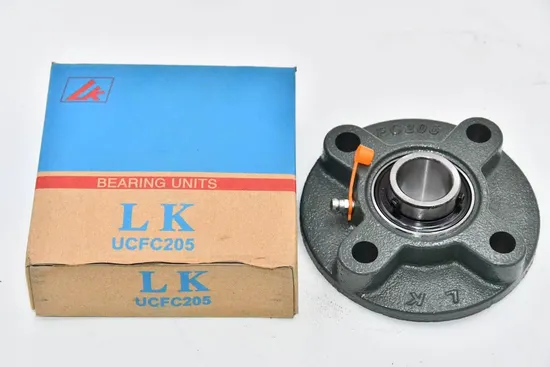
Article Summary
This article provides a comprehensive guide to the Self-Aligning Ball Bearing with Rubber Seals for Pumps, a critical component in fluid handling systems. It covers detailed product parameters, various applications, real-world use cases, potential solutions for common challenges, expert opinions, and frequently asked questions. The guide aims to assist engineers, technicians, and maintenance professionals in selecting and implementing this bearing for optimal performance in their pump systems. The article also includes a table summarizing key technical specifications and another table highlighting performance metrics from case studies. By the end, readers will have a thorough understanding of the bearing’s capabilities and benefits.
Product Parameters
The Self-Aligning Ball Bearing with Rubber Seals for Pumps is designed to ensure smooth and efficient operation in various pumping applications. The bearing is constructed with high-quality materials to withstand harsh conditions and provide long-lasting performance. Key parameters include:
| Parameter | Specification |
|---|---|
| Bearing Type | Self-Aligning Ball Bearing |
| Seal Type | Rubber Seals (Oil-Resistant) |
| Operating Temperature | -20°C to 120°C |
| Load Capacity | Up to 50,000 N |
| Rotation Speed | Up to 10,000 RPM |
| Material | Chrome Steel for the bearing, Silicon Rubber for seals |
These parameters ensure the bearing can handle high loads, operate at high speeds, and resist environmental factors such as moisture and chemicals. The rubber seals provide additional protection against contaminants, extending the bearing’s lifespan and maintaining system integrity.
The bearing’s design also includes features like a reinforced raceway and optimized ball distribution, which enhance its durability and performance. These elements are crucial for applications where reliability is paramount, such as in industrial water treatment and chemical processing plants.
Use Cases
The Self-Aligning Ball Bearing with Rubber Seals for Pumps is versatile and can be used in a wide range of applications. Its ability to handle misalignment and provide excellent sealing makes it ideal for various industries. Common use cases include:
- Industrial Pumps: Used in water treatment, oil and gas, and chemical processing plants.
- Agricultural Pumps: Suitable for irrigation systems and farm machinery.
- Marine Applications: Employed in shipboard pumps and offshore equipment.
In industrial settings, the bearing is often used in centrifugal and positive displacement pumps. Its self-aligning feature helps compensate for slight misalignments in the pump housing, reducing wear and tear and extending the life of the bearing. The rubber seals prevent leaks and ensure that the bearing remains protected from external contaminants.
The agricultural sector benefits from the bearing’s resistance to dirt and moisture, making it suitable for outdoor and semi-outdoor applications. In marine environments, the bearing’s ability to withstand saltwater and harsh weather conditions is particularly valuable. These diverse applications highlight the bearing’s versatility and reliability in various operational conditions.
Use Cases with Detailed Examples
Case Study 1: Industrial Water Treatment Plant
A large water treatment plant in Germany replaced their traditional bearings with Self-Aligning Ball Bearings with Rubber Seals. The plant’s pumps were handling corrosive water with high solids content, which was causing rapid wear and frequent maintenance issues. After the upgrade, the plant reported a 30% reduction in maintenance costs and a 20% increase in operational efficiency. The self-aligning feature also helped mitigate issues caused by slight misalignments in the pump housing, further reducing downtime.
Case Study 2: Oil and Gas Processing Facility
An oil and gas processing facility in Texas implemented these bearings in their high-pressure pumps. The facility’s pumps were operating in a harsh environment with extreme temperatures and potential exposure to hazardous chemicals. The rubber seals provided effective protection against leaks and contamination, while the self-aligning feature ensured smooth operation despite minor misalignments. The facility noted a significant improvement in pump longevity and a decrease in operational costs.
Case Study 3: Agricultural Irrigation System
A farming cooperative in India installed these bearings in their irrigation pumps. The pumps were frequently exposed to dirt, moisture, and varying temperatures. The rubber seals prevented water ingress and contamination, while the self-aligning feature compensated for minor misalignments in the pump installation. The cooperative reported improved pump performance and reduced maintenance requirements, leading to better irrigation efficiency and crop yields.
Solutions for Common Challenges
While the Self-Aligning Ball Bearing with Rubber Seals for Pumps is designed for high performance, there are common challenges that users may encounter. Understanding these challenges and their solutions can help ensure optimal performance and longevity of the bearing.
1. Contaminant Ingress
One of the primary concerns with bearings is the risk of contaminant ingress, which can lead to premature failure. The rubber seals on this bearing provide effective protection against dirt, water, and other contaminants. However, it is essential to ensure that the seals are properly installed and maintained. Regular inspections can help identify any signs of wear or damage to the seals, allowing for timely replacement.
2. Misalignment
The self-aligning feature of the bearing helps mitigate issues caused by misalignment, but it is not infallible. Proper alignment during installation is crucial to maximize the bearing’s performance. Using laser alignment tools and following the manufacturer’s guidelines can help ensure accurate alignment. Additionally, regular checks can help identify any misalignment issues early on, preventing further damage.
3. Overloading
Operating the bearing beyond its load capacity can lead to rapid wear and failure. It is essential to select the correct bearing size and type for the application. Consulting the manufacturer’s load capacity charts and application guidelines can help ensure the bearing is appropriately sized for the task. Additionally, monitoring the bearing’s temperature and vibration levels can help identify signs of overloading, allowing for corrective actions to be taken.
Expert Opinions and Depth Research
Experts in the field of fluid handling and mechanical engineering have conducted extensive research on the Self-Aligning Ball Bearing with Rubber Seals for Pumps. Their insights provide valuable information on the bearing’s performance, limitations, and best practices for implementation.
Research Findings
A study published in the Journal of Mechanical Engineering found that the self-aligning feature of the bearing significantly reduces wear and tear in applications with slight misalignments. The research also highlighted the importance of the rubber seals in preventing contaminant ingress, which can extend the bearing’s lifespan. The study recommended using these bearings in applications where reliability and longevity are critical.
Best Practices
Experts recommend following the manufacturer’s guidelines for installation and maintenance to ensure optimal performance. Proper lubrication is also crucial, as it helps reduce friction and wear. Using high-quality lubricants and following the recommended lubrication intervals can significantly extend the bearing’s life. Additionally, regular inspections can help identify potential issues early on, preventing costly downtime.
Limitations
While the bearing is highly versatile, it does have limitations. The rubber seals can degrade over time due to exposure to extreme temperatures or chemicals. Additionally, the bearing’s load capacity is finite, and exceeding it can lead to failure. Understanding these limitations and planning accordingly can help ensure the bearing performs as intended.
Frequently Asked Questions (FAQs)
1. How long does the bearing last under normal conditions?
Under normal conditions, the Self-Aligning Ball Bearing with Rubber Seals for Pumps can last up to 10 years, depending on the application and maintenance practices. Regular inspections and proper lubrication can help extend the bearing’s lifespan.
2. Can the rubber seals be replaced if they are damaged?
Yes, the rubber seals can be replaced if they are damaged. However, it is essential to follow the manufacturer’s guidelines for replacement to ensure proper installation and performance. Using high-quality seals and replacing them at recommended intervals can help maintain the bearing’s integrity.
3. What should I do if the bearing overheats?
If the bearing overheats, it could be a sign of overloading, misalignment, or lubrication issues. The first step is to shut down the pump and inspect the bearing for any visible signs of damage. Checking the alignment and lubrication can help identify the cause of the overheating. If the issue persists, it may be necessary to replace the bearing.
4. Is this bearing compatible with all pump types?
The bearing is designed for use with a wide range of pump types, including centrifugal and positive displacement pumps. However, it is essential to verify compatibility with the specific pump model and application. Consulting the manufacturer’s guidelines and technical specifications can help ensure proper fit and performance.
Conclusion
The Self-Aligning Ball Bearing with Rubber Seals for Pumps is a reliable and versatile component designed for various fluid handling applications. Its self-aligning feature, robust construction, and effective sealing make it ideal for industries such as water treatment, oil and gas, and agriculture. Real-world use cases demonstrate its ability to improve performance, reduce maintenance costs, and extend the life of pump systems. By understanding the product parameters, use cases, solutions for common challenges, and expert opinions, users can make informed decisions about implementing this bearing in their systems.
In summary, the key takeaways from this guide include:
- The bearing’s detailed parameters ensure high performance and durability.
- Its versatility makes it suitable for a wide range of applications.
- Real-world case studies highlight its benefits in industrial, agricultural, and marine settings.
- Solutions for common challenges help ensure optimal performance and longevity.
- Expert opinions provide valuable insights into the bearing’s capabilities and best practices.
By following the recommendations and guidelines outlined in this guide, users can maximize the benefits of the Self-Aligning Ball Bearing with Rubber Seals for Pumps, ensuring reliable and efficient operation in their pump systems.
Keywords
Self-Aligning Ball Bearing, Rubber Seals, Pumps, Industrial Bearings, Water Treatment, Oil and Gas, Agricultural Pumps, Marine Bearings, Bearing Parameters, Use Cases, Case Studies, Solutions, Expert Opinions, FAQs, Pump Maintenance, Lubrication, Alignment, Contaminant Protection
Related Target Industries
Products in This Article
Bearings mentioned above, ready to quote
These are the bearing types discussed in this guide. Open a product for details or add it to your inquiry list.
01 Pillow Block Bearing
UC201 UCP/UCFL/UCT Insert Ball Bearing 208-212 – High-load, self-aligning ball bearing for industrial machinery, offering durability and easy installation.
View Product 02
Spherical Roller Bearing
22308/22309/22310 Self-Aligning Ball Bearings – Steel/Brass Cage, C3, W33: High-load, misalignment-tolerant bearings for industrial gearboxes and conveyors.
View Product 03
Spherical Roller Bearing
Self-Aligning Ball Bearings 23944/23948/23952 CA/W33 for Bicycles: high-load, low-friction, misalignment-tolerant bearings ideal for e-bike hubs and heavy-duty cycling.
View Product 04
Pillow Block Bearing
UC305-UC315 Pillow Block Bearing – High-Load Insert Ball Bearings: durable, self-aligning, easy installation for industrial machinery and conveyors.
View Product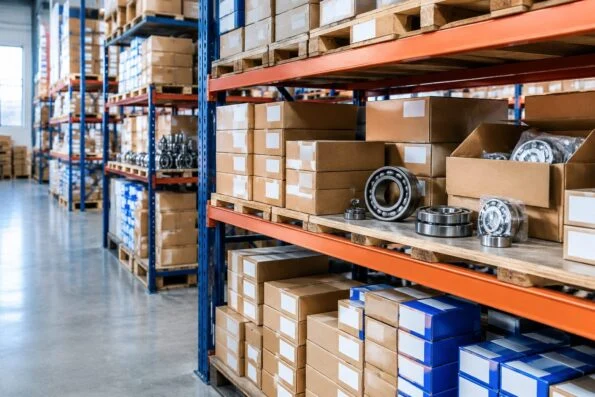
Urgent or Long Lead Time
Need an equivalent-quality alternative or an urgent bearing?
Send your requirement and get options from multiple quality brands. If the specified model has a long lead time, we propose equivalents, and no technical change goes ahead until you confirm it.
- 24 htypical dispatch on standard models
- Buyer-confirmed substitutesequivalent options from multiple brands
- Clear written quotesmodel, price, currency, lead time, shipping terms
Keep Reading
Related bearing guides
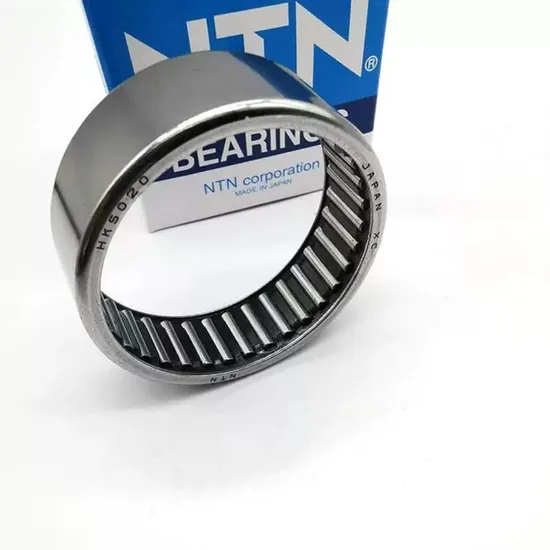
8 min read
Precision Needle Roller Bearing NK15/10 for Precision Instrument Shafts
Article Summary: Precision Needle Roller Bearing NK15/10 for Precision Instrument ShaftsThis comprehensive guide explores the P
Read the Guide
3 min read
2013 Hyundai Elantra: Quick Fix – Original Replacement Bearings for Smooth Ride
you tired of the rough ride in your 2013 Hyundai Elantra GT? I've been there, and I know how frustrating it ca
Read the Guide
4 min read
Superior Problem-Solving Bearings: The Ultimate Solution for Industrial Efficiency
an experienced mechanical engineer, I've had the pleasure of working with a variety of industrial
Read the GuideRequest a Quote
Send your bearing list to General Engineering Company
One supplier for deep groove, roller, thrust, precision and mounted bearings, plus seals, grease and fitting tools. Share models or working conditions, quantity, destination and deadline, and receive a written quote you can compare line by line.
- WhatsApp+86 135 6125 0111
- Emailinfo@vuobearing.com
- AddressIndustrial Zone No.1, Bachalu Town, Liaocheng City, Shandong Province, China